June 12, 2026
Storms can leave behind roof damage that is not always easy to see from the ground. Heavy rain, hail, strong winds, falling branches, and flying debris can all affect shingles, flashing, gutters, vents, and the underlying structure of a roof. Some damage may appear immediately, such as missing shingles or visible leaks, while other problems may develop slowly over time. Because the roof protects the rest of the home, identifying storm damage early is an important part of preventing more serious issues.
Professional roof inspections are especially helpful after severe weather because trained specialists know what signs to look for and how to document them properly. Roofers assess storm damage by reviewing the full roofing system, not just the most obvious problem areas. Their process often includes checking exterior materials, interior warning signs, drainage systems, structural concerns, and repair options. Understanding how this assessment works can help homeowners feel more prepared after a storm.
Inspecting Shingles and Roofing Materials
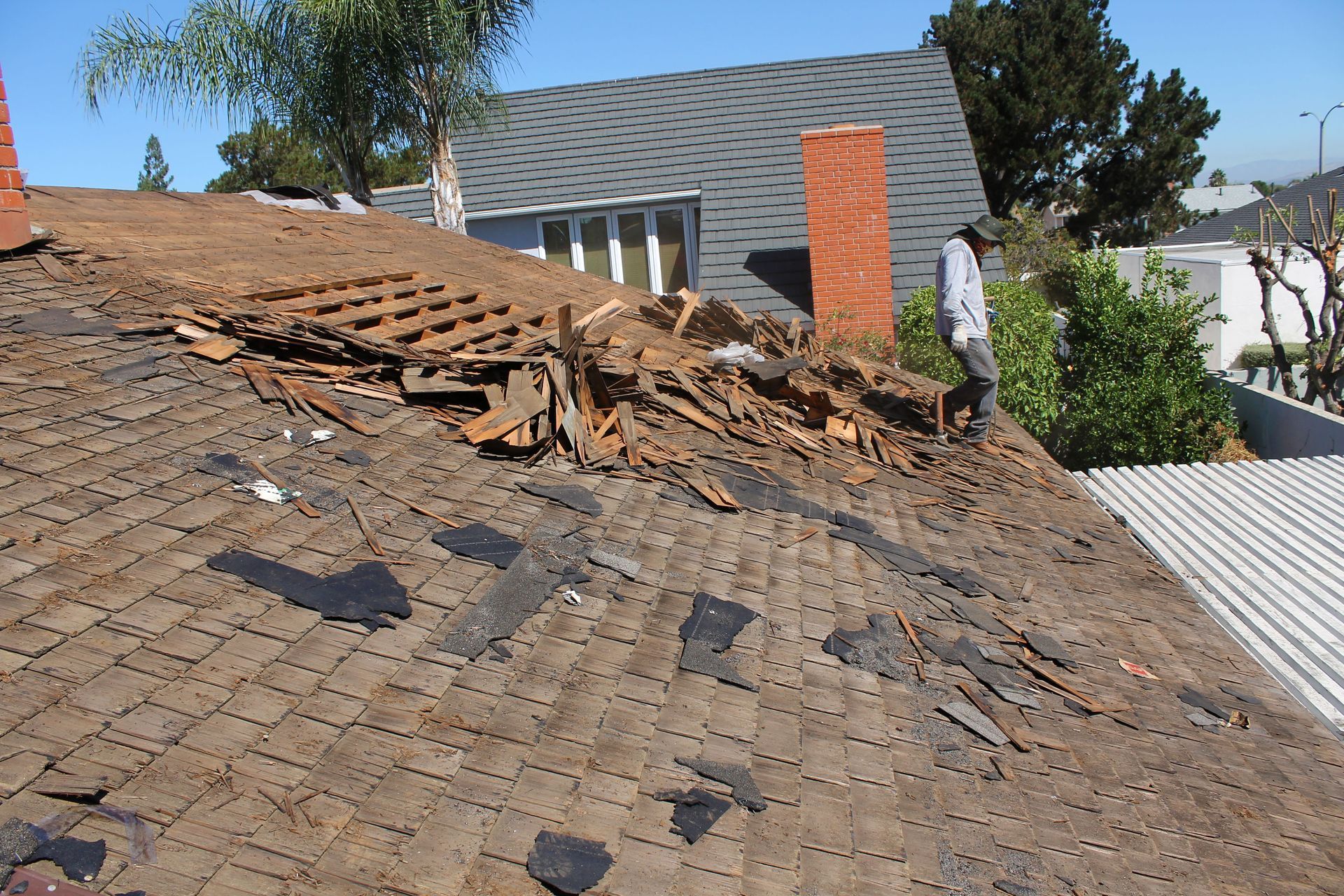
One of the first steps in a storm damage assessment is reviewing the condition of the shingles or other roofing materials. Wind can lift, loosen, crack, or completely remove shingles. Hail can leave dents, bruises, granule loss, or soft spots that weaken the roof’s protective surface. Even if shingles are still in place, they may no longer provide the same level of protection after a strong storm.
Roofers look for patterns of damage across the roof to determine whether the problem is isolated or widespread. They may check for missing tabs, broken edges, curled sections, exposed underlayment, or areas where shingles no longer lie flat. This careful review helps determine whether small repairs may be enough or whether more extensive restoration is needed to protect the home from future leaks.
Checking Flashing and Roof Penetrations
Flashing is used around chimneys, skylights, vents, valleys, and other roof openings to help direct water away from vulnerable areas. During storms, flashing can loosen, bend, crack, or separate from the surrounding materials. When this happens, water can enter through small gaps and travel into the attic, walls, or ceilings before homeowners notice a problem.
These transition points are inspected carefully because they are common areas where leaks can develop. Professionals may look for rust, cracked sealant, lifted metal, gaps, punctures, or signs of movement around vents, chimneys, and skylights. Since flashing problems are not always visible from the ground, a detailed inspection can uncover issues that might otherwise go unnoticed until interior water damage becomes more serious.
Reviewing Gutters and Drainage Areas
Gutters and downspouts can provide important clues about roof damage. After a storm, loose granules may collect in gutters if asphalt shingles have been damaged by hail or wind. Bent gutters, detached sections, clogged downspouts, or water overflow marks can also suggest that the drainage system was affected. If gutters are not working properly, water may back up near the roof edge or collect too close to the foundation.
A complete assessment includes checking whether water can move away from the roof efficiently. Roofers may inspect gutter attachments, fascia boards, downspout placement, and signs of overflow. If drainage issues are found, they may recommend repairs to prevent additional damage to the roofline, siding, landscaping, or foundation. Storm damage often affects more than one part of the exterior, so drainage should not be overlooked.
Looking for Hail and Impact Damage
Hail damage can be difficult for homeowners to identify because it may not always create immediate leaks. On asphalt shingles, hail can knock away protective granules, leaving darker spots or exposed areas. Larger hail may bruise shingles or damage the mat beneath the surface. Over time, these weakened areas can become more vulnerable to cracking, water intrusion, and sun damage.
Impact damage may also appear on vents, flashing, gutters, siding, or roof accessories. Roofers often compare damage across different surfaces to understand the storm’s direction and severity. They may also check soft metals for dents, which can help confirm hail exposure. This careful process helps separate storm-related damage from normal aging or wear, which is important when planning repairs or preparing documentation.
Examining Interior Warning Signs
Storm damage is not limited to the outside of the home. Sometimes the clearest warning signs appear indoors. Water stains on ceilings, damp insulation, peeling paint, musty odors, or discoloration around attic framing may all indicate that water has entered the structure. These signs can appear shortly after a storm or develop gradually if a small leak goes unnoticed.
Roofers may inspect attic spaces and interior ceilings to trace moisture back to its source. A stain in one room does not always mean the leak began directly above that spot, since water can travel along rafters, insulation, or wall cavities. By checking both the interior and exterior, professionals can better determine the location and extent of storm-related water intrusion.
Assessing Structural Concerns
Severe storms can create structural concerns, especially when trees, heavy limbs, or large debris strike the roof. Even if the outer surface does not appear badly damaged, the decking, rafters, or supports beneath may have been affected. Sagging areas, soft spots, uneven rooflines, or sudden dips can suggest that the storm caused deeper problems that require prompt attention.
Professional assessment is important because structural damage can worsen if left unaddressed. Roofers may look for signs of weakened decking, water saturation, cracked supports, or areas where the roof has shifted. If major structural concerns are suspected, additional evaluation may be needed before repairs begin. Identifying these problems early helps protect the home and reduce the risk of further damage.
Documenting Damage for Repairs
Accurate documentation is an important part of the storm damage assessment process. Photos, notes, measurements, and written descriptions help homeowners understand what was found and what repairs may be needed. Documentation can also be useful when discussing the project with insurance providers, property managers, or other decision-makers.
According to This Old House, during the last three years, close to 31% of homeowners have completed roofing renovation, repair, or maintenance work. This shows that roof care is a common concern for many homeowners. Roofers can provide clear documentation that explains the difference between minor cosmetic issues, repairable storm damage, and conditions that may require larger restoration work.
Recommending the Right Repair Plan
After the inspection is complete, the next step is deciding how to move forward. Not every storm-damaged roof needs a full replacement. Some situations may only require replacing a few shingles, sealing flashing, repairing vents, or correcting drainage problems. Other cases may involve widespread damage that makes a larger repair plan more practical.
Professionals consider the age of the roof, the extent of the damage, the type of materials, and the risk of future leaks when making recommendations. A good repair plan should address current storm damage while also protecting the home from further issues. Clear communication helps homeowners understand their options, compare priorities, and make confident decisions about the next steps.
Storm damage can be stressful, especially when homeowners are unsure how serious the problem may be. A professional assessment helps identify visible and hidden concerns, including damaged shingles, loose flashing, drainage problems, hail impacts, interior moisture, and structural issues. By reviewing the full roofing system, roofers can provide clear guidance and help homeowners choose the right repair plan. Prompt attention after severe weather can reduce the risk of leaks, interior damage, and costly future repairs. For dependable storm damage inspections and roof repair support, contact Roofing by Thowe Construction today.