October 16, 2026
Undertaking a full roof replacement is one of the most substantial financial investments and critical maintenance decisions you will ever make as a homeowner. Because your roof serves as the primary structural barrier protecting your foundation, belongings, interior finishes, and family members from severe weather conditions, choosing the right contractor to perform this critical work is paramount. Asking the right questions when speaking with a prospective local roofing company helps you make informed decisions, choose durable materials suited to your regional climate, and partner with a trustworthy team. According to IBISWorld, there are 248,597 people employed in the Roofing Contractors industry in the US, reflecting an expansive market with thousands of options for homeowners to evaluate. Navigating these choices successfully requires careful planning, thorough evaluation of professional qualifications, and open communication from the initial inspection to the final walkthrough.
1. How Do You Evaluate Company Credentials and Experience?
Assessing a potential contractor begins with thorough research into their operational history, credentials, and standing within the local community. Inquiring about the length of time a business has operated locally provides essential insight into their long-term stability, consistency, and dedication to customer service. Requesting references from recent local clients lets you evaluate how the contractor performs in real-world scenarios, handles unexpected installation challenges, and communicates effectively throughout the build. Furthermore, verifying that the company maintains active state licenses and comprehensive general liability and workers' compensation insurance protects you from unexpected financial liabilities in the event of job-site accidents or property damage.
Industry certifications from major building material manufacturers and national professional associations demonstrate a higher commitment to technical excellence and professional craftsmanship. Many contractors specialize in specific project types, ranging from steep-slope residential roof installations to complex flat-roof commercial buildings or advanced eco-friendly roofing materials. Selecting a local roofing company that possesses specialized experience with your specific home architecture guarantees that trained hands manage your installation rather than general laborers with limited specialized knowledge. Taking these verification steps ensures that your chosen team brings proven expertise and deep industry knowledge to your project.
In addition to standard state licenses, asking whether a company maintains active memberships in recognized industry organizations can indicate their dedication to continuous education and safety compliance. Highly credentialed teams stay up-to-date on modern building sciences, advanced ventilation strategies, and evolving material technologies designed to boost home energy efficiency. Reviewing these professional credentials beforehand provides peace of mind that your home improvement project is guided by trained experts who adhere to the highest trade standards available today.
2. How Should You Plan Timelines and Manage Project Schedules?
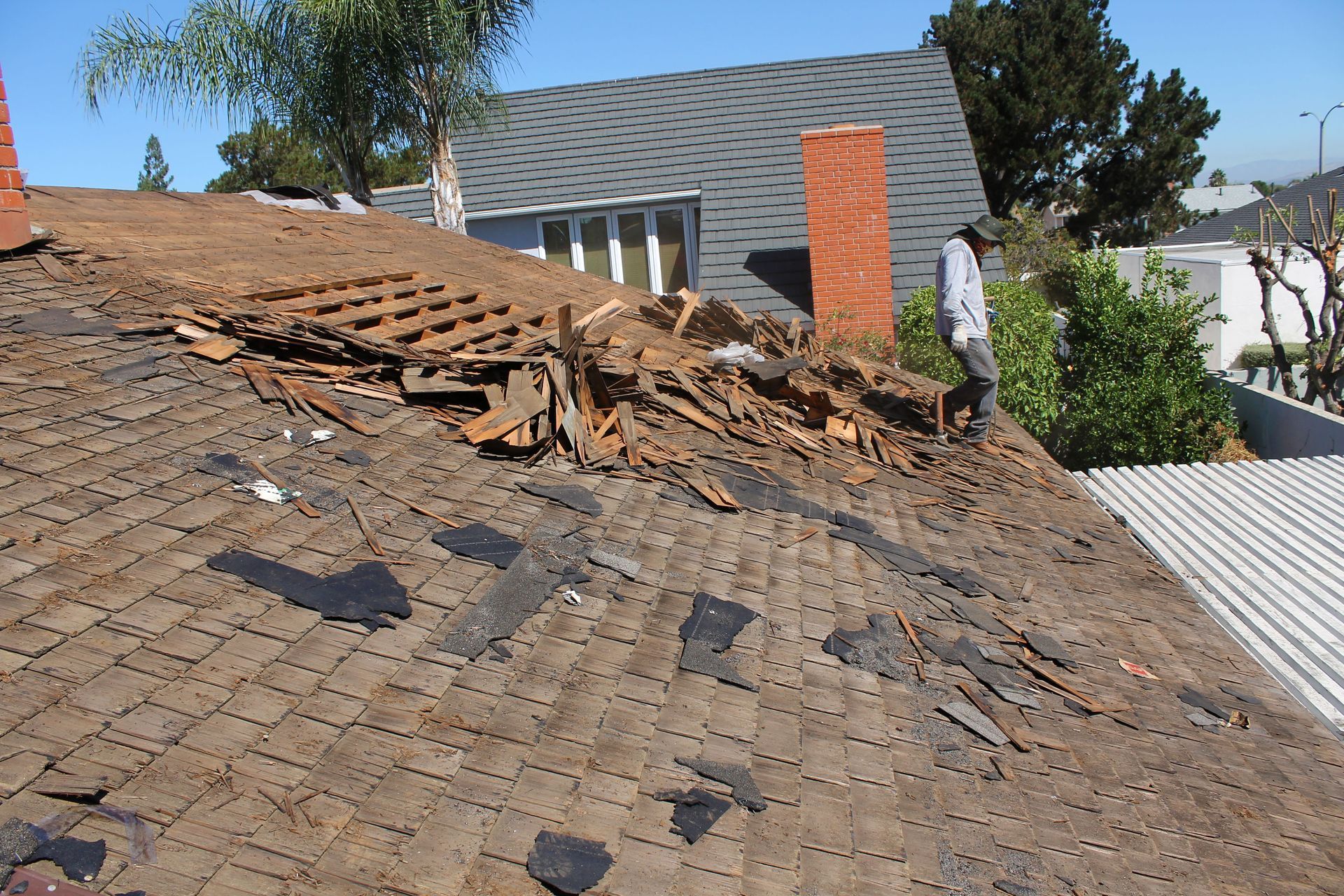
Structured project planning and clear, realistic schedules form the foundation of a smooth, efficient, and well-managed installation process. Before any physical work begins, request a detailed written project plan outlining expected start dates, daily working hours, key progress milestones, and projected completion targets. A reputable local roofing company provides itemized estimates breaking down costs for labor, tear-off, debris disposal, and raw materials, ensuring full financial clarity and eliminating unexpected billing surprises as work progresses.
Unforeseen challenges such as sudden weather shifts, material shipping delays, or hidden wood rot beneath old shingles can impact even the most carefully managed schedules. Experienced contractors anticipate these potential issues and maintain clear contingency protocols to address surprises efficiently without compromising quality or safety. Regular, daily updates from project managers keep homeowners informed of progress and allow for necessary adjustments with minimal disruption to daily home routines.
Understanding how a crew manages project logistics, such as material delivery placement, dumpster location, and equipment staging, is equally vital for preventing property disruption. A well-organized team establishes clear staging areas that keep driveways clear and protect surrounding landscaping, pathways, and outdoor structures from heavy machinery. Clarifying these logistical details in advance ensures that your home environment remains safe, functional, and organized throughout the entire construction duration.
3. How Do You Select Materials and Apply Proper Installation Techniques?
Selecting appropriate materials involves balancing aesthetic preferences, structural requirements, regional weather conditions, and long-term budget considerations. Ask your contractor to explain the performance characteristics and lifecycle expectations of various options, including traditional architectural asphalt shingles, standing seam metal panels, clay tiles, and modern synthetic materials. An experienced local roofing company will evaluate your home's roof pitch, local wind exposure, and regional temperature fluctuations to recommend high-performing product combinations tailored to your home.
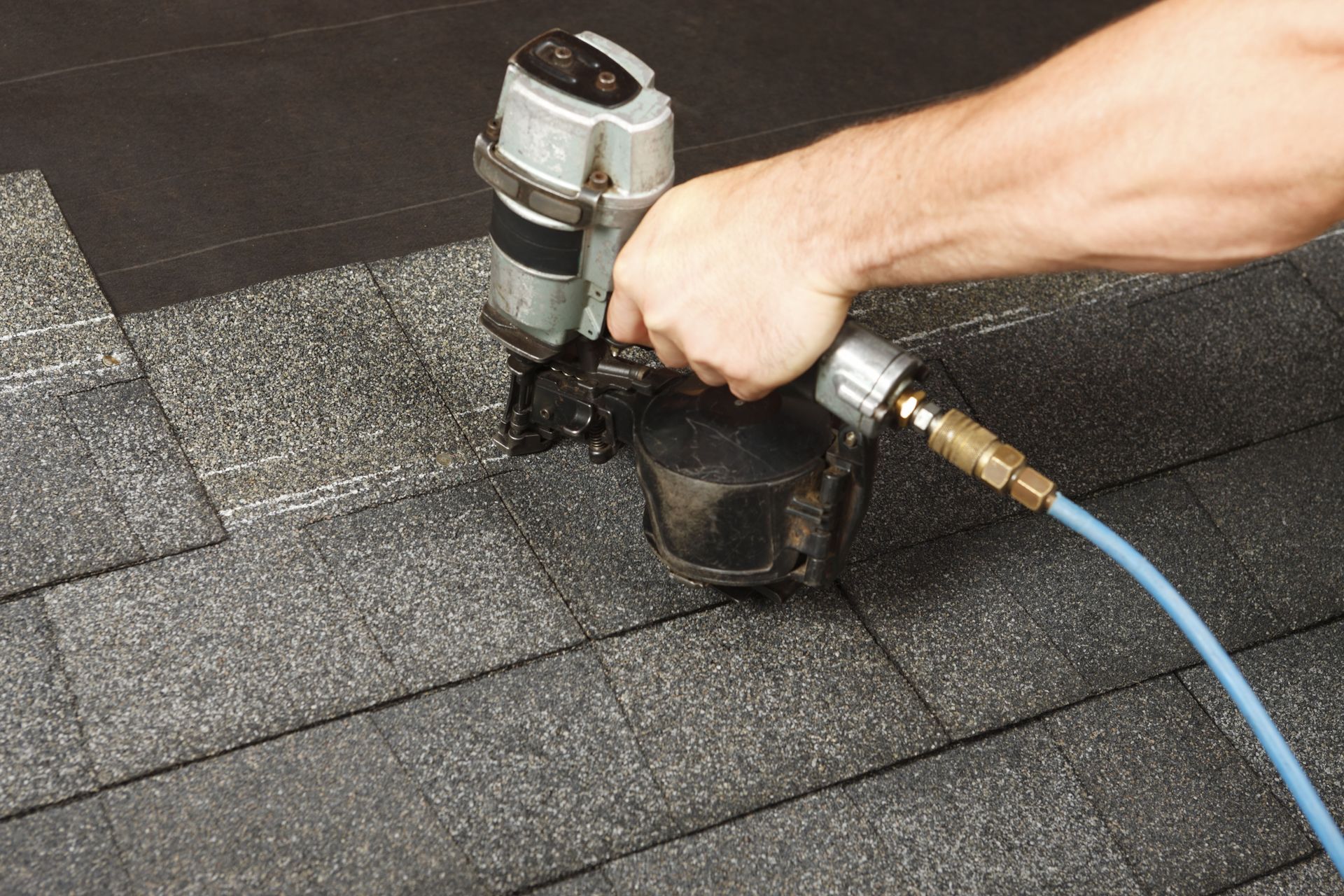
Proper installation techniques are just as vital as selecting high-quality products, as even premium materials can fail prematurely if installed improperly. Superior installations rely on comprehensive roofing systems that incorporate ice and water shields, breathable synthetic underlayment, proper attic ventilation networks, and precision-fitted metal flashing around valleys, chimneys, and skylights. Partnering with a skilled crew ensures these components work together seamlessly to prevent leaks, manage humidity, and uphold long-term structural integrity.
Furthermore, discussing proper insulation and attic airflow dynamics ensures that your new roof system contributes directly to your home's thermal efficiency. Inadequate ventilation can trap excessive moisture and heat in your attic space, leading to ice damming in winter, premature shingle deterioration in summer, and increased heating and cooling utility expenses year-round. An expert contractor will carefully evaluate your intake and exhaust ventilation balance to optimize system performance and extend the life of your materials.
4. How Do You Understand Warranties and Long-Term Maintenance Protocols?
A comprehensive, multi-tiered warranty structure provides essential long-term protection for your roofing investment over its lifetime. Homeowners should understand the distinction between a manufacturer material warranty, which covers product defects, and a contractor workmanship warranty, which covers installation labor. Clarify the duration, coverage limitations, and transferability terms of both warranty types with your local roofing company before finalizing any installation agreement.
Proactive post-installation care and periodic inspections play a crucial role in extending the operational lifespan of your new roof system. Inquire whether your contractor offers structured maintenance programs or post-storm inspection services to identify minor issues before they turn into costly structural damage. Consistent maintenance helps protect vulnerable areas like flashings and sealants, ensuring your roof remains resilient through every season.
Knowing how warranty claims and emergency maintenance requests are serviced gives homeowners added confidence in their contractor choice. Inquire about the company's response times for urgent repairs following severe weather events and whether they offer dedicated post-installation support. Partnering with a business that provides continuing maintenance guarantees that your roof will continue protecting your property long after the initial crew leaves the site.
5. How Are Safety Standards Enforced and Payment Structures Handled?
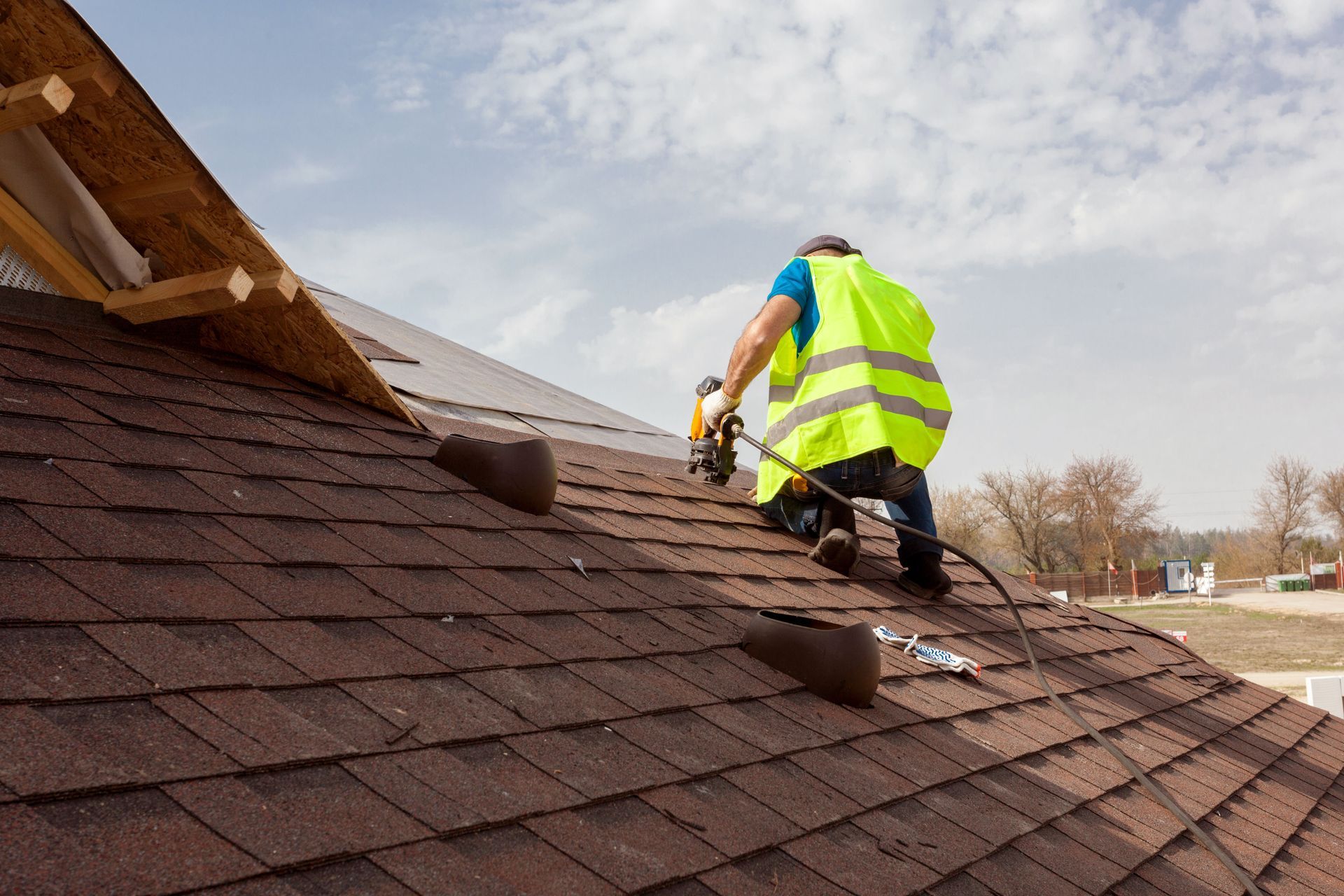
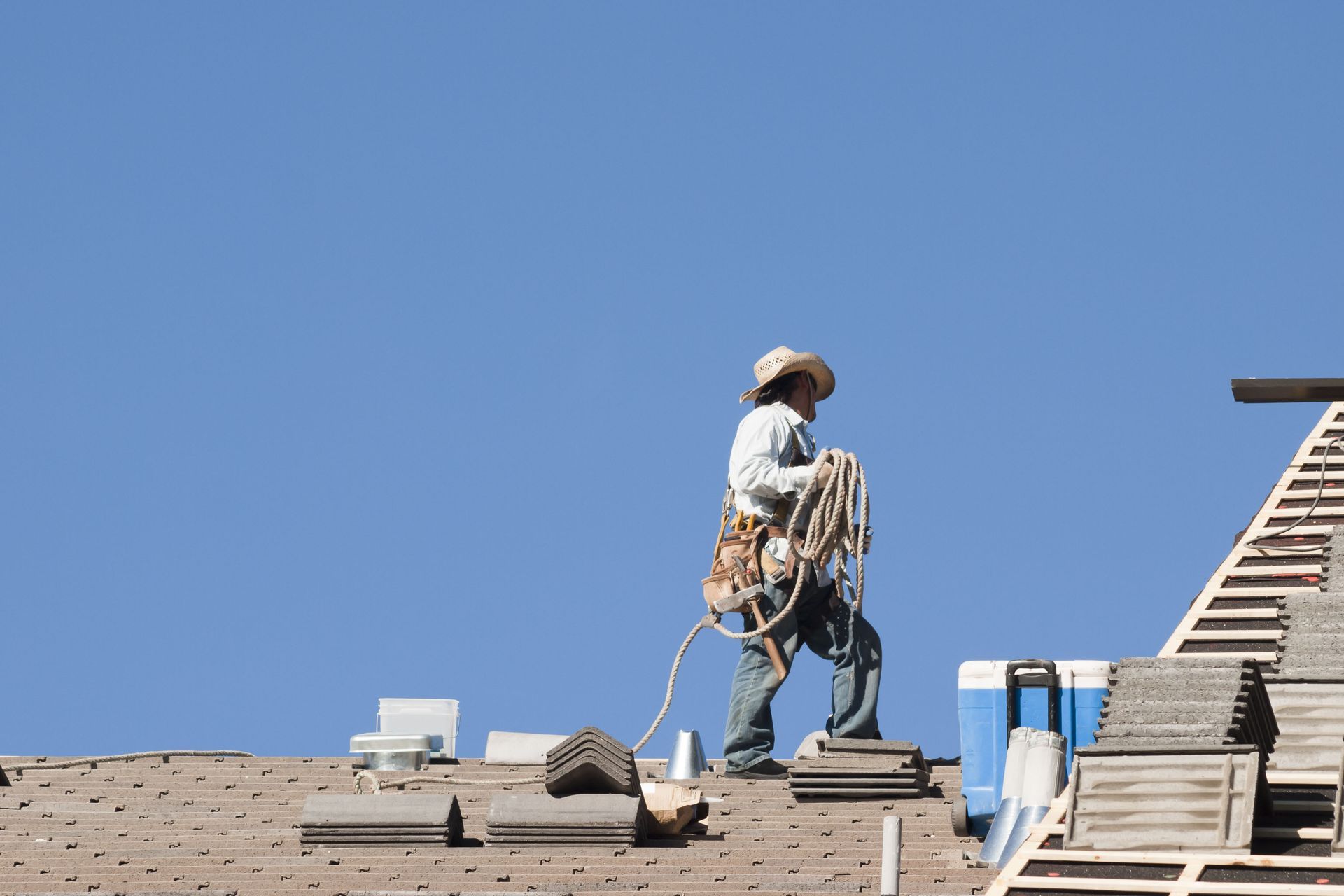
Strict enforcement of site safety guidelines and full compliance with regional building codes protect both working crews and residents during construction. Confirm that your contractor follows OSHA safety guidelines, utilizes fall protection equipment, and implements rigorous site management protocols. Furthermore, verify that the contractor manages all municipal permit applications, schedules required building inspections, and performs thorough post-project magnetic cleanups to remove stray nails and sharp construction debris from your property.
Transparent pricing frameworks and clear payment terms facilitate smooth financial management for homeowners. Reputable contractors outline reasonable deposit requirements, progress payment schedules, and final inspection sign-offs within a legally binding written agreement. Establishing formal procedures for handling change orders ensures any unforeseen structural repairs are priced fairly and approved before work continues.
Reviewing the final inspection process guarantees that every aspect of the project meets your complete satisfaction before final payment is rendered. A professional contractor will walk the property with you, demonstrate completed details, provide full warranty documentation, and answer any remaining maintenance questions you may have. Asking thorough questions regarding credentials, project timelines, materials, warranties, and total costs ensures a successful roof replacement. For more information about the services that we offer, reach out to our incredible team at Roofing by Thowe Construction today!